 Ben Boss
Compressed air piping plays a critical role in ensuring the efficiency and reliability of compressed air systems. Properly designed and installed compressed air piping can significantly improve the flow efficiency of compressed air, leading to reduced energy consumption, lower operational costs, and enhanced system performance. This improvement is essential for industries and facilities that rely heavily on compressed air for their day-to-day operations, such as manufacturing plants, automotive workshops, food processing units, and pharmaceutical companies. One of the main reasons compressed air piping improves flow efficiency is by minimizing pressure drops and leaks throughout the system. Pressure drop occurs when compressed air loses energy as it flows through the piping network, often caused by friction, turbulence, and improper pipe sizing. When pipes are too narrow or have excessive bends, elbows, or restrictions, the air flow becomes turbulent, causing energy losses and reducing the available pressure at the point of use. By choosing the right pipe diameter and materials, engineers can ensure a smooth, laminar flow of air, reducing friction losses and maintaining higher pressure levels.
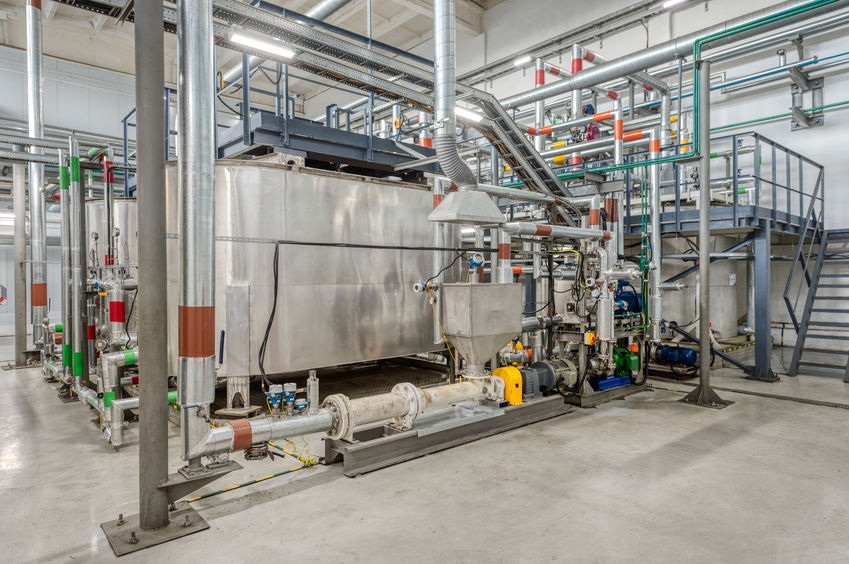
This careful design reduces the workload on compressors, which in turn consumes less energy and operates more efficiently. Another significant factor is the choice of materials and the quality of the piping system. Modern compressed air piping systems often use materials such as aluminum, stainless steel, or specialized plastics, which are resistant to corrosion, rust, and contamination. These materials maintain clean air flow, preventing blockages or degradation that could otherwise hamper efficiency. Traditional steel pipes may corrode over time, causing rough internal surfaces and potential leaks, which increase maintenance requirements and reduce system efficiency. Using corrosion-resistant materials not only improves air flow but also extends the lifespan of the entire compressed air system. Moreover, well-planned compressed air piping helps in reducing leaks. Leaks are a major source of inefficiency in compressed air systems, often accounting for 20 to 30 percent of total air loss. Proper installation with secure fittings, joints, and supports helps prevent leaks and reduces maintenance costs. Additionally, modern piping systems often incorporate quick-connect fittings and modular components that simplify maintenance and enable quick repairs without disrupting the entire system.
A well-designed layout minimizes the length of the piping, avoids unnecessary bends, and ensures a direct route from the compressor to the point of use. This reduces the frictional losses and improves air velocity, resulting in better system responsiveness and performance. In contrast, poorly planned layouts with excessive loops or vertical rises can create pressure drops and slow air delivery. Engineers also consider the placement of filters, dryers, and regulators within the piping system to optimize air quality and pressure control, which ultimately contributes to the overall efficiency of the compressed air network and visit now https://www.thepinnaclelist.com/articles/escape-the-pitfalls-of-outdated-piping-elevate-your-efficiency-with-modern-compressed-air-systems/. A robust piping system reduces these risks by ensuring consistent pressure levels and reliable containment of compressed air. Compressed air piping is more than just a conduit for air delivery it is a vital component that directly impacts the efficiency, cost-effectiveness, and safety of compressed air systems. By carefully selecting appropriate materials, optimizing pipe size and layout, and ensuring tight installation practices, businesses can achieve improved compressed air flow efficiency. This leads to energy savings, reduced operational costs, and a more reliable compressed air supply, which is essential for maintaining productivity and competitiveness in today’s industrial environments.