Why Engagement Is Key to Keeping Instagram Followers?

Engagement is the lifeblood of any successful Instagram strategy. While follower count is often seen as a primary metric for measuring success, the reality is that without engagement, those numbers are virtually meaningless. Engagement defined by likes, comments, shares, saves, and direct messages directly impacts the visibility and reach of posts. For brands, influencers, and everyday users alike, maintaining and growing a loyal follower base on Instagram goes far beyond just getting followers; it is about keeping them, and that is where engagement plays a crucial role. Instagram’s algorithm is designed to prioritize content that resonates with users, which is primarily determined by engagement. The higher the engagement rate on a post, the more likely Instagram is to push that post to a broader audience, including those who do not already follow the account. This means that the more people interact with your content, the more visible it becomes, potentially attracting new followers while retaining the interest of your existing ones.

Instagram Follower

A passive audience that is not interacting with content is an audience that is more likely to unfollow. Therefore, understanding what drives engagement and how to maintain it is critical for keeping followers loyal and interested. Consistently engaging content makes followers feel valued, heard, and connected, which in turn keeps them coming back for more. Engagement is not just about numbers; it is about building a genuine connection. On Instagram, followers are not just passive observers they want to feel involved, whether it is through responding to a question in the comments, participating in a poll in Stories, or sharing their opinions on a particular topic. Creating opportunities for two-way communication fosters a sense of community and belonging among followers, making them more likely to stay. Content that evokes emotions, such as humor, curiosity, or inspiration, tends to perform well in terms of engagement. Followers are more likely to engage with posts that they feel a personal connection to, so understanding your audience’s preferences, interests, and motivations is key.

Personalized and relatable content often stands out, encouraging followers to like, comment, and share, ultimately deepening the connection between the brand or influencer and their audience. Today’s Instagram users are savvy. They can easily detect inauthenticity, which can lead to a rapid drop in engagement and klicken website to learn more. Authenticity plays a huge role in keeping followers engaged. People want to follow accounts that are genuine, relatable, and transparent. Sharing behind-the-scenes content, personal stories, and real-life experiences can make a brand or influencer seem more human, fostering trust and loyalty among followers. Instagram Stories, for example, have become a powerful tool for engaging with followers authentically. They provide a glimpse into everyday life, highlight unpolished moments, and often feature real-time interactions like Q and A sessions or live streams. These elements make followers feel like they are part of a personal journey, keeping them interested and invested in the content being shared. Posting sporadically can lead to a decline in engagement as followers may forget why they followed an account in the first place.

Explore Exotic Flavors – Discover the Latest Innovations in Flavored NOS Tanks

Exploring the realm of flavored nitrogen oxide NOS tanks reveals a fascinating intersection of culinary innovation and the beverage industry. Over the past few years, the market for flavored NOS tanks has exploded, driven by an increasing consumer demand for unique and diverse experiences. The concept of flavoring nitrogen-infused beverages is not entirely new, but recent advancements have significantly broadened the possibilities, allowing companies to experiment with a wide range of exotic flavors that tantalize the taste buds and transform the way we perceive carbonated drinks. At the heart of this innovation lies the technology of nitrogen infusion, which differs from traditional carbonation methods. This method not only preserves the freshness of the ingredients but also reduces acidity, making it an appealing option for consumers who may find standard carbonated beverages too harsh on the palate. As a result, beverage creators are embracing nitrogen infusion to craft drinks that are both flavorful and enjoyable, appealing to a diverse audience seeking out new sensory experiences.

Whipped Cream

In recent years, manufacturers have begun to push the envelope with exotic flavor profiles that draw inspiration from global cuisines. From tropical fruits like passionfruit and dragon fruit to unique combinations such as matcha green tea with mint or coconut with lime, the selection is vast and intriguing. The goal is to offer something beyond the traditional cola or lemon-lime flavors that have dominated the market for decades. This shift towards exotic flavors is not only about taste; it also speaks to a broader cultural trend where consumers are eager to explore diverse culinary influences and incorporate them into their daily lives. The rise of health-conscious consumers has also influenced the development of flavored nos tank. With a growing emphasis on natural ingredients and lower sugar content, many brands are turning to plant-based flavorings and sweeteners derived from fruits and herbs. This approach not only caters to the health-conscious demographic but also aligns with the trend of sustainable consumption.

As consumers become more aware of their dietary choices, brands are responding by highlighting the use of organic ingredients and eco-friendly packaging, which further enhances their appeal. Beverage creators are leveraging these platforms to market their products, often featuring colorful concoctions that entice followers to try something new and share their experiences. The result is a dynamic and rapidly evolving marketplace where innovation thrives, and consumers are encouraged to engage with brands in meaningful ways. As we look to the future, it is clear that the flavored NOS tank industry is poised for continued growth and experimentation. With advancements in flavor technology and an ever-expanding palette of ingredients, the possibilities are virtually limitless. Brands are continually seeking out new ways to surprise and delight consumers, whether through seasonal limited editions or permanent flavor offerings. As these innovative drinks make their way into cafes, bars, and retail outlets, they not only satisfy cravings but also create a sense of adventure and discovery.

Bitcoin and Blockchain- Revolutionizing How the World Transacts Digitally

Bitcoin and blockchain technology are at the forefront of a digital revolution, fundamentally changing how the world transacts. Introduced in 2009 by an anonymous figure known as Satoshi Nakamoto, Bitcoin was the first decentralized cryptocurrency, offering a new way to conduct transactions without relying on traditional banking systems or intermediaries. At its core, Bitcoin leverages blockchain technology, a distributed ledger that ensures the integrity and security of transactions. This decentralized system eliminates the need for a central authority, allowing users to transact directly with one another, thereby reducing costs and increasing transaction speed. The blockchain operates as a chain of blocks, each containing a record of multiple transactions. Once a block is filled with transactions, it is cryptographically linked to the previous block, creating an immutable record. This transparency not only provides a secure way to verify transactions but also fosters trust among users. Every participant in the network can access the entire transaction history, ensuring accountability and making it nearly impossible for any single entity to alter the data.

One of the most transformative aspects of bitcoin news and blockchain is their potential to empower the unbanked population. According to the World Bank, around 1.7 billion people worldwide lack access to traditional banking services. Bitcoin provides these individuals with an alternative method for saving and transacting, as it only requires internet access to operate. This financial inclusion can lead to improved economic opportunities for underserved communities, enabling them to participate in the global economy without the constraints of geographical boundaries. Furthermore, blockchain technology has the potential to streamline processes and reduce fraud across numerous sectors. In finance, for instance, smart contracts self-executing contracts with the terms directly written into code can automate transactions and enforce compliance without human intervention. This not only reduces operational costs but also minimizes the risk of errors and disputes. Similarly, in supply chain management, blockchain can enhance traceability and accountability by providing a transparent record of each product’s journey from origin to consumer. This ensures authenticity and reduces the prevalence of counterfeit goods.

Despite its many advantages, Bitcoin and blockchain are not without challenges. Regulatory uncertainty remains a significant hurdle, as governments worldwide grapple with how to manage cryptocurrencies and protect consumers while fostering innovation. Additionally, concerns about energy consumption and the environmental impact of Bitcoin mining have sparked debates about the sustainability of the technology. Nevertheless, the potential of Bitcoin and blockchain to revolutionize digital transactions is undeniable. As more individuals and businesses embrace cryptocurrencies and decentralized systems, we are likely to see a shift toward a more inclusive, efficient, and transparent financial landscape. This transformation will not only alter how we conduct transactions but may also redefine our relationship with money and value in the digital age. The journey of Bitcoin and blockchain is just beginning, and their evolution will continue to shape the future of commerce and finance in unprecedented ways.

Tailor-Made Architectural Solutions for Unique Spaces

Tailor-made architectural solutions are increasingly recognized as essential for creating unique spaces that cater to the specific needs and aspirations of their inhabitants. In an era where cookie-cutter designs often dominate the landscape, bespoke architecture emerges as a breath of fresh air, offering a personalized approach that resonates with the distinct character of each project. The process begins with a deep understanding of the client’s vision, preferences, and functional requirements. Architects engage in thorough consultations, delving into the lifestyle, cultural background, and future aspirations of their clients to ensure that the design not only meets their current needs but also adapts to future changes. This collaborative process fosters a sense of ownership and investment in the project, as clients become active participants in the design journey. The emphasis on sustainability also plays a crucial role in tailor-made architectural solutions. Modern architects are increasingly integrating eco-friendly practices and materials into their designs, ensuring that unique spaces are not only aesthetically pleasing but also environmentally responsible.

This includes harnessing renewable energy sources, utilizing sustainable materials, and designing for energy efficiency, all of which contribute to a healthier planet. The integration of cutting-edge technology further enhances the customization of architectural solutions. From advanced modeling software that allows for precise visualizations of projects to smart home systems that improve functionality and convenience, technology plays a vital role in modern architecture. Architects can experiment with different design elements and spatial configurations, ultimately leading to innovative solutions that are both practical and visually striking. Moreover, tailor-made architectural solutions often reflect the cultural and historical context of their location. By considering local traditions, climate, and materials, architects create spaces that resonate with the surrounding environment and community.

This contextual awareness not only enriches the design but also fosters a sense of belonging and connection for the inhabitants. In addition, the emotional aspect of space cannot be overlooked. Tailored designs have the power to evoke feelings of comfort, tranquility, and inspiration. Whether it is a cozy home that fosters family connections, a vibrant workspace that encourages creativity, or a serene retreat that promotes relaxation, bespoke architecture addresses the emotional needs of its users. Furthermore, the versatility of tailor-made solutions means that they can adapt to a wide range of spaces, from residential to commercial and public buildings. Each Architectural Outsourcing project presents its own unique challenges and opportunities, allowing architects to push the boundaries of creativity and innovation. This flexibility not only results in diverse architectural styles but also ensures that every project is a reflection of its purpose and the people who inhabit it.

Fashion Forward – The Role of Replica Watches in Today’s Wardrobe

In today’s fast-paced world of fashion, where personal style and expression are paramount, replica watches have carved out a significant niche in the wardrobe of many. While luxury brands dominate the high-end watch market, replica watches offer an accessible alternative that allows individuals to enjoy the aesthetic appeal and sophistication of expensive timepieces without the hefty price tag. The allure of a beautifully designed watch has always been strong, as it serves not only as a functional accessory but also as a statement piece that can elevate an outfit. With the growing trend of conscious consumerism, replica watches provide an interesting perspective on fashion, highlighting the intersection of style, affordability, and individuality. One of the primary reasons for the rise in popularity of replica watches is their ability to replicate the designs of high-end brands at a fraction of the cost. For many fashion enthusiasts, owning a luxury watch may be a distant dream due to their exorbitant prices.

Replica Watches

However, replica watches allow consumers to experience similar designs and styles, offering the chance to sport a timepiece that mimics the aesthetics of brands like Rolex, Omega, or Tag Heuer without breaking the bank. This democratization of luxury fashion opens doors for individuals to curate their wardrobes with versatile accessories that align with their personal style, thus making fashion more inclusive. Moreover, replica watches have become a symbol of a more conscious approach to fashion consumption. With sustainability at the forefront of many consumers’ minds, the idea of investing in a timeless piece that does not carry the environmental burden of fast fashion is appealing. Unlike fast fashion, which often results in overconsumption and waste, replica watches can be viewed as an investment in style without the negative implications of supporting mass-produced products. By choosing a well-crafted replica, individuals can enjoy a quality accessory that complements their wardrobe while remaining mindful of their purchasing decisions. In the realm of fashion, accessories play a crucial role in defining an individual’s style.

A watch, often considered a subtle yet powerful accessory, can transform a simple outfit into something striking and refined. For instance, pairing a classic Luxe Replica Watches with a casual ensemble can elevate the overall look, making it appear more polished. This versatility is one of the hallmarks of a well-chosen watch, whether it be a sporty design for weekend outings or a more elegant style for formal occasions. As a result, replica watches offer a practical solution for fashion-forward individuals who wish to enhance their wardrobe without committing to high-priced luxury items. Another significant aspect of replica watch is their capacity to reflect personal style and individuality. The modern consumer seeks ways to express themselves through their fashion choices, and replica watches allow for exploration without the constraints of a strict budget. Whether it is a vintage-inspired timepiece or a contemporary design, replica watches cater to diverse tastes and preferences. This personalization aspect is critical in today’s fashion landscape, where consumers increasingly value authenticity and self-expression over brand loyalty.

Rising Above Challenges- How Agencies Overcome Hurdles in Development?

In today’s fast-paced world, agencies face a myriad of challenges in development, ranging from budget constraints to rapidly evolving technology, regulatory changes, and the necessity for stakeholder engagement. Overcoming these hurdles requires innovative thinking, strategic planning, and a collaborative approach. One of the primary challenges agencies encounter is the scarcity of resources, both financial and human. Budget constraints can limit the scope of projects, making it essential for agencies to prioritize their initiatives and focus on high-impact areas. To address this, many agencies adopt agile project management methodologies, allowing them to be more flexible and responsive to changing conditions. By breaking down projects into smaller, manageable tasks and employing iterative development cycles, agencies can deliver value incrementally and make necessary adjustments along the way. Technological advancements also pose significant challenges as they can quickly render existing systems obsolete. Agencies must continuously adapt and invest in new technologies to remain competitive and relevant. Embracing digital transformation is crucial; this involves not only upgrading technology but also rethinking how services are delivered.

How to negotiate with property sellers during the Coronavirus pandemic

For instance, investment property for sale london agencies may implement cloud-based solutions to enhance efficiency and accessibility. This transition requires comprehensive training for staff to ensure they are equipped to utilize new tools effectively. Agencies that foster a culture of learning and adaptability tend to navigate technological challenges more successfully, ultimately leading to better service delivery. Regulatory changes can create obstacles that agencies must swiftly navigate to ensure compliance. To manage this, agencies often establish dedicated teams to monitor regulatory landscapes and assess the potential impact on their operations. This proactive approach enables agencies to stay ahead of changes and adapt their strategies accordingly, minimizing disruptions to their workflows. Moreover, maintaining open lines of communication with regulatory bodies can facilitate a better understanding of compliance requirements and foster collaborative relationships, which can be beneficial in times of change. Stakeholder engagement is another critical component in overcoming challenges. Agencies must effectively communicate with various stakeholders, including the public, government officials, and partner organizations, to build trust and ensure alignment on objectives. Utilizing technology, such as social media and interactive platforms, can enhance engagement efforts, allowing agencies to gather feedback and involve stakeholders in the decision-making process.

Additionally, agencies can benefit from partnerships and collaboration with other organizations, both public and private. By sharing resources, knowledge, and expertise, agencies can tackle challenges more effectively and leverage collective strengths. Collaborative initiatives can lead to innovative solutions that individual agencies may not achieve alone, ultimately enhancing the overall impact of their development efforts. In conclusion, while agencies face numerous hurdles in development, proactive strategies, embracing technology, regulatory compliance, effective stakeholder engagement, and collaboration can empower them to rise above challenges. By fostering a culture of adaptability and innovation, agencies can ensure they remain responsive to the dynamic landscape of development, ultimately leading to sustainable growth and enhanced service delivery.

Why College Accreditation Matters for Career Success: Key Insights

The student who is seeking a college degree should only choose accredited colleges. Accrediting bodies independent of the government conduct thorough examinations of the requirements for graduation, curriculums, and the qualifications of faculty.

Accreditation is typically preceded by an evaluation of self-assessment, then a peer group going through the site. The accreditation body determines whether the school meets its requirements, and publishes the results in a book.

The Career Effects of College Accreditation

Accredited degrees will help you land the job you’ve always wanted. It is essential to investigate the accreditation of the college prior to you decide to enroll. It is easy to become lost in the jargon and get an unreliable diploma.

It is crucial to look through the CHEA database or that of the Department of Education to determine whether a school is accredited prior to registering. You’ll get an idea of the value and quality of your training and read more https://baoxinviec.shop/. Certain employers might not take an unaccredited diploma from an institution.

There are two kinds of accreditation: programmatic and institutional. The first kind of accreditation covers the entire institution, which includes its departments. The second type is specific to a specific level or course. There are accreditations that are specific to certain professions, like law or nursing. It is not required to attend a school with regional accreditation for these areas. However, you might be interested in knowing if your desired career path requires that you go to one.

High-Paying Jobs

Accredited Colleges that offer Job Opportunities

Accreditation is one universities, colleges, and other educational institutions undergo to make sure that they meet a certain set of standard of service and operational standards. Accreditation is necessary for institutions of higher education to be able to offer specific types of financial aid and to be recognized by employers and other schools. The United States Department of Education keeps a list of accredited programs and institutions, and also recognizes organizations that provide college accreditation.

The accreditation process is a thorough examination of the entire institution which includes its faculty, administrative, and aspects for students. The process includes a self-study that analyzes the school’s academic resources as well as its mission and goals as well as the number of faculty and students as well as other aspects. Council for Higher Education Accreditation and the U.S. Department of Education are the two most frequently utilized institutions that are accredited by accrediting agencies.

Accrediting bodies that concentrate on accreditation of programs are those that concentrate on particular entities within the institution. For instance they could accredit a specific degree program at a particular college or a particular nursing or law school. They are managed by specialist accrediting organizations with the belief that experts who are experts in a particular area will be the most reliable assessors of a program’s worth. A lot of employers verify degrees prior to selecting candidates. Accredited programs are typically required to get professional certificates in specific areas, like nursing and law.

The importance of accrediting degree programs

It can be difficult to comprehend what accreditation means however it is essential when looking at your options for education. If the school you attend is accredited is a sign that they’ve been evaluated and deemed to meet the highest academic standards. Your diploma will be recognized and acknowledged by schools, employers, and institutions to be used for admissions and professional associations.

To be recognized as accredited, it has to undergo a thorough examination by the agency that grants the accreditation. The accreditation process involves an inspection of the site by the organization that grants the accreditation, as well as an extensive self-study by the institution that is seeking accreditation. The report is then reviewed by a peer-review committee typically comprised of experts and leaders from other universities or colleges.

The accrediting body then decide if it wants to award the accreditation or not. Regional accrediting associations are usually founded by traditional colleges and universities, and they are the ones that accredit most higher-education institutions in their region. Accrediting bodies that are national in nature are, however typically, are established by professional associations and concentrate on accrediting religious and career-oriented institutions and trade schools.

The seal of approval appears on the website as well as in other documents like transcripts after the university or college is accredited. The seal of approval serves as an indication to prospective students as well as the general public that the college or university has met certain academic requirements.

College and Employment Accreditation

Accredited colleges are able to prove that they’ve passed the quality check and are dedicated to excellence. Employers as well as other educational institutions be aware that the institution you attend is one that provides an excellent education and beneficial experiences. It’s also an indicator that your education is accepted by other institutions, and can help students to transfer credits later on if you choose to switch your career path.

Independent organizations conduct peer reviews and establish standards to be accredited. They also assess programs and schools that are seeking approval. They may send a team to the college or university and ask them to look at the teaching practices and the system for student support, the post-graduation job market, as well as the administrative processes and structures. They decide whether accreditation will be granted or not. After accreditation, a school must adhere to the requirements of their degree program. Additionally, they must undergo unannounced periodic inspections.

Two kinds of accreditation are offered to colleges: institutional and programmatic. Institutional accreditation is granted to universities, colleges, as well as other educational institutions. Students attending these institutions can be qualified for federal financial aid. Accreditation of a college’s degree programs in a particular area can be achieved through an accreditation programmatically. Accreditation is crucial because certain employers and licensing agencies only employ graduates who have degrees from accredited institutions.

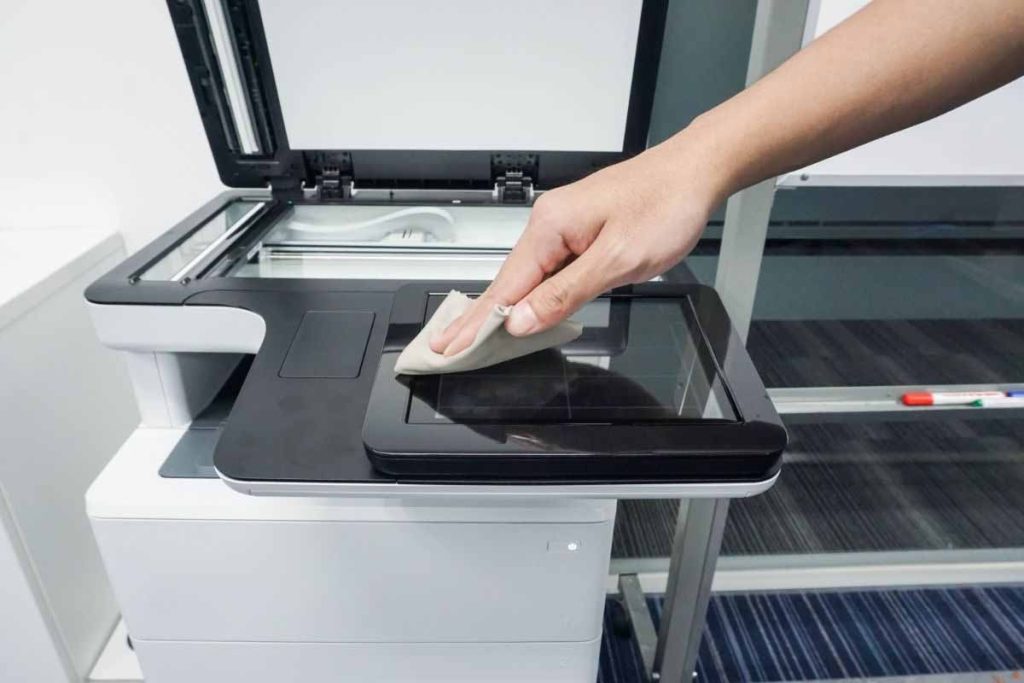
Digital vs. Analog: The Different Types of Photocopier Machines Explained

Photocopiers, also called Xerox machines, are indispensable office tools which can duplicate documents quickly and swiftly. The majority of modern photocopiers depend on a process known as xerography. It uses electrostatic charges to attract toner particles to an Xerography drum before transferring the toner particles onto paper.

Officeology provides a variety of multifunctional models that combine scanning, copying and printing into one device. Look over a few of the multifunctional printers that are available today.

Digital photocopiers

Digital photocopiers are able to operate faster and better than analog photocopiers due to the fact that they make use of the most recent technological advancements. They employ a scan-once-print-many method that digitizes a document, then stores it in memory, which can be printed multiple times without losing quality or needing to print the original document again.

Toner is the process used to print digitized documents onto paper. This is like printing with a laser printer. As a result, digital printers are not as mechanical, and they have less parts that are susceptible to wear and tear over time. They are also able to print documents with higher resolution with more precise color reproduction and finer gradients.

Digital photocopiers also feature network capabilities, which allows them to function as multi-function scanners or printers which seamlessly integrate into workflow processes. They can also help you save money by reducing the amount of devices within your office. These devices are more energy efficient than analog ones, thanks to features such as automatic or timed shut-downs and sleep modes. They also typically use lesser paper than traditional machines, decreasing consumption and conserving resources.

photocopier machines


Multifunction printers

Multifunction Printers (MFPs) are able to perform as photocopiers, scanners as well as printers and fax machines all in one. They’re perfect for companies who wish to reduce the amount of paper they print and combine the office equipment they use into a single device.

MFPs are able to scan documents directly into your computer. This means you won’t have to travel between your desk to the room where you can upload your files. MFPs also come with a variety of options for software that permit the integration of cloud-based services. This simplifies document management and storage.

MFPs are made to print copies, scans, and fax documents. Some MFPs are equipped with more advanced features, such as scanning, faxing and OCR. Some MFPs can print on a range of paper types and sizes, and some are capable of printing on both sides of the page, which makes them particularly useful for organisations who handle large volumes of documentation. PictBridge-compatible printers let users directly print photos using their digital cameras. This is perfect for people who print photos of their family and are photographers.

Color photocopiers

If your business needs to produce copies in color, you require a high-quality machine that can produce vivid and accurate copies. There are certain features you will require like embedded holograms, which can help prevent fraud. Other considerations include print speed as well as the quality of your paper. It may be necessary to set rules on what is allowed and not printed or copied in color. This will allow employees to not waste any supplies.

Digital color copiers use the scanning process to mirror the original image of a document onto drum. The image is bonded to an toner sheet using static electricity, and then transferred onto paper using a heated element. This produces a print that’s almost identical to the original. Digital color copier equipment is more costly than analog copies and offer better quality printing and higher productivity. They are more suitable for copying large quantities. Multifunctional devices include scanners and printers. Xerox initially introduced the xerographic process in 1949 and its copier technology has since been a generalized trademark, which has led to the term “Xeroxing”. Different manufacturers have adopted this technology to create their own Xerox like copiers.

Office photocopiers

There are machines to handle your needs regardless of whether you wish to print in colour or in black and white. You can buy one outright or lease it. Leasing is popular with companies since they can eliminate initial cost, and allow them avoid depreciation.

Certain office photocopiers also be used as scanners or laser printers, offering high-quality results. These dual-purpose machines improve efficiency by removing the need to move documents between devices. They also lower costs as they require less devices to be charged and maintained.

Consider the number of users that will be using the copier, as this will determine how many users it is able to handle on regular basis. Choose a networkable model so that your employees can access it from any location. Consider security features such as S/MIME encryption and self-healing firmware to protect against data breaches as well as to facilitate recovery in the case of a breach. You should consider a device that comes with finishing options such as the binding of booklets and stapling.

Production photocopiers

In contrast to desktop printers, copiers machines often print double-sided pages and come with a document feeder that enables users to scan several pages simultaneously. These features reduce time and cost. Most copier manufacturers allow you to customize settings to allow you to print in both black and white depending on the need.

Workgroup copiers work well for small offices that require different types of functions that include scanning and fax. They generally have a high output speed and are easy to operate. Some all-in one copiers let you to send scanned documents directly to your computer without any additional software programs.

May photocopy Ricoh mp 6055 are usually used for high-volume printing in post offices. These photocopiers can produce an enormous amount of copies in just a few minutes, and they are simple to operate using their touchscreens cards readers, departmental accounting functions. These machines also can produce saddle-stitched catalogs and comb-bound reports. They have extremely low cost-per-page (CPP) rates. Many have higher graphics specs than office printers, which may make them suitable for graphically-intensive projects. They could also have an embedded hologram that helps to detect unauthorized counterfeiting or copying, which is the case with certain driver’s licenses and university degrees and transcripts.

Spotting Fake Degree Certificates: A Key to Preventing Immigration Fraud

There is a high possibility that a valid certificate could be lost. It requires time and resources to get a new degree.

fake certificates are often used to deceive people into engaging in fraud. You must be able to recognize a fake certificate using obvious indicators.

Immigration Fraud

The majority of fraud committed in immigration is through the falsification of official documents. The consequences of this could be serious. It is recommended to work with an experienced and trusted attorney who will defend your rights.

The practice of committing fraud in immigration is widespread for immigrants desperate to gain legal status and be able to avoid exile. Therefore, they are easily swindled by scammers, who charge fees for bogus or illegal services. Scammers can accuse immigrants of deportation or employ other techniques to collect cash.

Fake Degree

An untrue Immigration and Customs Enforcement officer could, for instance go to the home of an immigrant, hand the person a warrant, and then ask for money. A robocall is. The Fraud Program at EOIR offers a range of resources to assist victims in reporting robocalls or other types of scams related to immigration.

Sexual fraud and bribery are two other types of fraud that could be committed during the process of obtaining immigration. Immigration authorities are able to identify fraud with the smallest of details. It is possible to lose the right to citizenship should you try to apply for Green Card on the basis of an unconstitutional marriage.

Fraud in connection with permits, visas or other documents that are required by federal laws and regulations could be a serious offense and carries severe penalties. If you are found guilty, you could be denied entry or exiled into the United States.

Visas based on employment

Fake degrees are utilized by foreigners in a variety of different fields. If they are caught in the act, those who commit fraud could face serious penalties, including the possibility of criminal prosecution or expulsion of the country. This could negatively affect legitimate employers and workers.

Verifying credentials for education is the most effective method to avoid becoming an innocent victim. Credential verification services that employ automated techniques will help you quickly and effectively identify fakes and falsification. They are available through internet browsers and are less expensive than employing a specialist to manually look up the education documents.

The process of proving immigration fraud is more complicated. According to an BBC report, a lot of foreigners aren’t aware of the process for evaluating visa applications. A lot of foreigners believe that the officer will find fake diplomas from accredited college, even if the school is known to be reputable.

Lehigh University, for example recently acknowledged that it admitted an advanced degree from an undergraduate who was not a graduate of the program. The university reportedly believed that the student was a graduate from an eminent Indian University since she was carrying both an I-20 as well as an acceptance letter.

Student Visas

Students who are recruited to get fake degrees are driven by a variety of reasons. In the US the recruitment of international students has increased in the higher education sector. This is particularly relevant to India. India was the top student source in the United States in the year 2000, beating China. The trend is likely to continue.

Many recruiters are able to lure students with promises of a quicker visa process and less tuition costs in their country of origin. Once they have a potential student, they could earn a profit by offering additional services like housing, internships, and the course materials.

If a student is believed to be a student at an authentic institution They are frequently enticed to provide credentials without doing any further research. This is not a good idea as the authenticity of the certificates can easily be checked.

Watermarks, UV ink, and security threads – all the features that authentic certificates possess cannot be present on fake certificates. Use of American phrases like “with honors” or Latin phrases like “cum laude” are other obvious indicators of fake certificates.

False certificates can cause a devastating effect on real graduates. False qualifications could lead to individuals being put in positions which they’re not suited for. In the meantime, genuine applicants are required to compete against fraudulent graduates in the job market.

Credential Verification

This is becoming more of a problem for companies that offer certifications, like ISO accreditation. The company could suffer a loss in sales and its credibility if it falsifies certifications and see here https://baoxinviec.com/. Sometimes, it can result in legal actions.

A lack of credentials can hinder an company from being able gain access to specific market. This is particularly true in the fields that require a qualification based on skills. A lot of positions in the food sector require the issuance of a Food Hygiene Certificate, or a First Aid certification. This is due to reasons of health and safety. Infractions to these regulations could result in penalties or legal actions.

A fake degree could be used in a different instance to evade immigration laws. A fake diploma can, for instance, be handed out by an immigration official to obtain visa benefits. Department of Homeland Security set up an unofficial University of Farmington, Michigan to uncover frauds of this type. The fake school accepted tuition and enrollment fees, but didn’t have instructors or classes.

Credential verification is a systematic procedure that determines if the credentials of an individual (such as academic qualifications or work experience professional certificates and other certificates) are authentic and legitimate. This involves reviewing documents, letters, and contacting the authority that issued them to confirm the authenticity of claims. This is essential to safeguard institutions from fraud as well as individuals from fraudulent assertions. It also guarantees that those with the required credentials are able to do their job or use a specialized services.

Expert Jon Boat Polishing Tips – Achieving a Mirror-Like Finish on Your Jon Boat

Achieving a mirror-like finish on your Jon boat not only enhances its appearance but also provides a layer of protection against the elements. To start, ensure your boat’s surface is thoroughly clean and free of any debris or contaminants. Begin by washing the boat with a mild soap and water solution to remove dirt and grime. Use a soft cloth or sponge to avoid scratching the surface. Once clean, dry the boat completely with a microfiber towel to prevent water spots. Next, assess the boat’s hull for any oxidation or surface imperfections. If you notice dull spots or oxidation, you will need to use a marine-grade oxidation remover. Apply the product according to the manufacturer’s instructions, usually with a soft cloth or applicator pad, working in small sections. Gently rub the remover in circular motions to break down the oxidized layer and restore the boat’s gloss.

Boat Maintenance Tips

After treating the entire surface, wipe off any residue with a clean, dry cloth. Once the oxidation is addressed, it is time to polish the boat. Choose a high-quality marine polish designed for aluminum or fiberglass surfaces, depending on your boat’s material.  Apply the polish with a foam applicator pad, using a small amount to start and working it into the surface in overlapping circular motions. The goal is to evenly distribute the polish and enhance the shine without creating uneven spots. Allow the polish to dry to a haze as per the product’s instructions. After the polish has dried, use a clean, dry microfiber towel to buff the surface. Employ a gentle, consistent motion to remove the haze and bring out a high-gloss finish. Pay special attention to any edges or corners where residue might accumulate. If necessary, repeat the polishing process for an even greater shine.

For long-lasting protection, consider applying a marine-grade wax. Waxing not only provides a protective barrier against UV rays and water damage but also enhances the overall shine of the boat. Apply the wax using a clean applicator pad 10+ Expert Jon Boat Polishing Tips, following the same technique as you did with the polish. Allow the wax to dry, then buff it off with a clean microfiber towel to achieve a high-gloss finish. Finally, regular maintenance is key to keeping your Jon boat looking its best. Wash and dry the boat after each use to prevent buildup of salt or grime, and periodically apply polish and wax to maintain the mirror-like finish. By following these expert tips, you will ensure your Jon boat remains not only visually stunning but also protected from the harsh marine environment.