 Ben Boss
You’re not “renting space.” You’re outsourcing risk.
That’s the real game with self-storage in Victoria: you’re deciding who gets to be responsible for your stuff when you’re not around. Price matters, sure, but I’ve watched people chase the cheapest rate and then pay for it in moisture damage, surprise fees, or access headaches that turn a simple drop-off into a whole ordeal.
So here’s a practical, slightly blunt way to pick a facility that won’t annoy you six weeks from now.
Start with the three non-negotiables (and don’t apologize for it)
If a facility can’t nail these, I don’t care how nice the office smells.
1) Security you can actually verify
Keypad entry is fine. Cameras are fine. But you’re looking for consistency: working lights, intact fencing, gates that close cleanly, and cameras that aren’t pointed at the clouds.
2) Clean, dry, boring units
Boring is good. No odors. No staining. No “just a little” dampness in corners. If you see evidence of pests, walk.
3) Access that fits real life
Some places advertise long access hours and then throttle it with “maintenance closures” or weird holiday lockouts. Ask how often gates go down and what happens after-hours when there’s a problem.
For an example of a reliable facility, check out https://3n1storage.com.
One-line truth: Convenience is part of the price.
What “great” looks like in Victoria (the on-the-ground checklist)
A strong Victoria facility usually feels easy to use within five minutes of arriving. The signage is obvious. The drive aisles aren’t tight. You can imagine pulling in with a trailer and not hating your life.
From a more technical angle, I’m looking for:
– Controlled access (individual gate codes, logged entry if possible)
– Bright lighting from the gate to the unit corridor
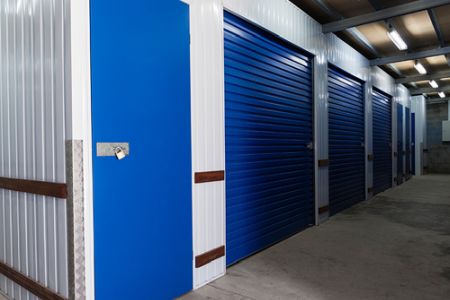
– Maintenance discipline: no broken roll-up doors, no busted hasps, no trash drifting around
– Pest control evidence (not just “we spray sometimes”)
– Staff who can answer specifics: rate increases, insurance requirements, humidity control, lock policies
And yes, service matters. When a manager is responsive before you rent, that’s usually a good sign. When they’re vague, it’s rarely a one-time thing.
Price comparisons: don’t get hypnotized by the first-month promo
Here’s the thing: the first month is often a trap rate. The real cost is what you’ll pay across your actual timeline.
So compare like a grownup:
Monthly rent + mandatory fees + required insurance + one-time charges.
Not just “$49 move-in special.”
Common cost buckets to ask about (because they love burying these):
– Admin/setup fees
– Lock purchase or lock “rental” (yes, some do that)
– Climate-control surcharge
– Insurance (required vs optional)
– Late fees and lien-related fees
– Rate increase frequency (and typical increase amount)
Now, a specific stat that matters when you’re comparing “cheap” vs “secure”: according to the FBI’s 2023 Crime Data Explorer, property crime rates vary significantly by locality and can swing risk perceptions neighborhood to neighborhood. Source: https://cde.ucr.fbi.gov/ (Use it to sanity-check an area, not to panic.)
I’ve seen two facilities a few miles apart price similarly, but one sits in a spot with repeated break-in complaints and the other doesn’t. Same unit size, wildly different stress level.
Location & access: the boring logistics that make or break the experience
If you plan to visit frequently, shave the drive time. You’ll feel it.
If you won’t visit often, lean harder into security and climate control. The less you check on things, the more you’re trusting the building.
A few practical things Victoria renters tend to overlook:
– Can you turn around with a box truck without doing a 17-point maneuver?
– Are there covered loading areas for rainstorms (hello, Gulf Coast weather)?
– Are the hallways wide enough for furniture dollies?
– Is there an elevator, and does it look like it’s from this century?
Also: test the gate. Literally. Punch a code in during your tour. See if it lags, sticks, or reopens randomly.
Hot take: Most “security features” are marketing until you confirm coverage
A camera sign doesn’t protect anything by itself.
Ask pointed questions and don’t feel weird about it:
– Where do the cameras point, and are hallways covered or just the front gate?
– Is footage recorded, and how long is it retained?
– Who can access footage, and what’s the process if there’s a theft claim?
– Are there individual unit alarms or only perimeter systems?
– Is lighting on timers or motion sensors (and are there dark pockets)?
If the staff can’t answer, that’s your answer.
Touring facilities in Victoria: questions that actually uncover problems
You can tour three facilities and hear the same sales script. The trick is asking things that force specifics.
Try these:
Unit + building realities
How often do you deal with water intrusion after heavy rain? (Listen for a pause.)
Do you have interior drains, sump pumps, or flood mitigation?
Any recent roof repairs?
Access + operations
What are gate hours and office hours?
If I get locked out or my code fails, what happens after-hours?
How often do access hours change?
Contract + price behavior
How are rate increases handled, and when is the first possible increase?
Do you prorate move-outs mid-month? (Some do, some absolutely don’t.)
What triggers additional fees?
Restrictions + storage rules
Any limitations on what I can store (batteries, liquids, mattresses, tires)?
Do you allow receiving deliveries, and who signs for packages?
If you want to get a clean read fast, ask: “What do customers complain about most?” A good manager answers calmly and specifically. A bad one gets defensive.
Move-in protections: insurance, climate control, and the stuff people ignore until it’s too late
This won’t apply to everyone, but if you’re storing anything you’d hate to replace—documents, electronics, photos, wood furniture—your decision should pivot around climate and coverage more than unit size.
Insurance: what you’re really buying
Some facilities require you to carry coverage. Some sell a policy at the counter. Either way, get clarity on:
– Is the facility’s policy primary or secondary to yours?
– What perils are covered: theft, fire, water, roof leaks, smoke?
– Deductible amount and claim process timeline
– Proof-of-insurance requirements (and what happens if it lapses)
Also, don’t assume your homeowner’s or renter’s policy covers storage units automatically. Many do provide some off-premises coverage, but limits and exclusions are common. Call your carrier and ask for the exact language.
Climate control: it’s not just “AC”
Climate control should mean stable temperature and humidity management, not “it feels cooler in here.”
Ask for the target ranges and the monitoring cadence. Then ask what happens during power outages. Do they have backup power for climate systems, or are you betting your furniture on the grid?
In my experience, facilities that take climate control seriously can explain their system without fumbling.
Tenant protections: read the parts everyone skips
Look at lien timelines, late fee schedules, notice requirements, and dispute procedures. Pay attention to:
– How much notice they give before auction/lien actions
– Their stated liability for water, pests, theft, and “acts of nature”
– Requirements for locks (approved types, cylinder vs disc locks)
– Rules about unit changes and transfers
If it’s all vague, expect vague treatment later.
A messy, real-world Victoria decision checklist (10 things that matter)
Use this when you’re comparing places side by side:
- Unit is clean, dry, no odor
- Gate works smoothly, access hours match your life
- Bright lighting from entrance to unit area
- Fencing looks maintained, not patched together
- Cameras appear real, coverage explained clearly
- Pest control looks active (not just promised)
- Total monthly cost is transparent (fees + insurance + surcharges)
- Rate increase policy explained with timing and typical range
- Lease terms: prorations, move-out process, late fee structure
- Reviews show consistent themes (not one-off drama), and staff can address negatives without dodging
One last opinion, since you asked for “honest”: if two facilities are close in price, pick the one that feels professionally maintained. The difference between “fine” and “solid” usually shows up in the small stuff—doors that seal properly, lights that work, and people who don’t treat your questions like an inconvenience.