 Ben Boss
Efficient fluid management plays an important role in maintaining productivity and consistency across manufacturing operations. Solenoid valves provide a practical solution by controlling the movement of liquids and gases through electrically operated mechanisms. Their versatile designs, responsive switching capabilities, and dependable construction make them valuable components in various industrial applications. By supporting accurate fluid direction and convenient automation, these valves help simplify equipment operation and improve process coordination. Understanding their functions, designs, and advantages allows manufacturers to select suitable solutions for different operational requirements.
Understanding Solenoid Valve Functionality
Solenoid valves use electromagnetic energy to control fluid movement through an internal mechanism. When electrical power activates the coil, the resulting magnetic force moves a plunger or related component, changing the valve position and controlling the flow path.
Important functional characteristics include:
- Electromagnetic Operation: Converts electrical energy into mechanical movement for convenient valve activation.
- Automatic Switching: Supports controlled opening and closing according to system requirements.
- Accurate Flow Direction: Directs liquids or gases through designated passages.
- Responsive Performance: Enables quick operation for applications requiring coordinated fluid control.
- Compact Construction: Makes integration convenient within different equipment configurations.
Exploring Different Solenoid Valve Designs
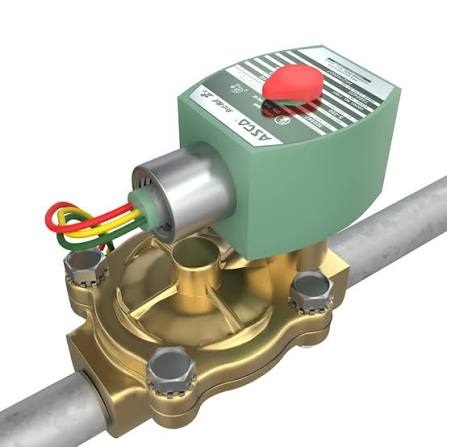
Different valve configurations provide flexibility for manufacturing systems with varying fluid control requirements. Selecting an appropriate design helps achieve dependable operation and efficient process management.
Common configurations offer several useful characteristics:
- Two-Way Valves: Control fluid movement through a single inlet and outlet arrangement.
- Three-Way Valves: Direct flow between different passages for suitable control applications.
- Four-Way Valves: Support directional control in pneumatic and hydraulic arrangements.
- Direct-Acting Valves: Use electromagnetic force to operate the internal sealing mechanism.
- Pilot-Operated Valves: Use fluid pressure to assist operation in suitable higher-flow applications.
Improving Manufacturing Process Efficiency
Consistent fluid control helps manufacturing equipment maintain coordinated operations. Properly selected solenoid valves support automated processes by regulating fluid delivery and responding to electrical control signals.
Their practical advantages include:
- Production Coordination: Helps synchronize fluid movement with equipment operating cycles.
- Process Consistency: Supports repeatable flow control throughout manufacturing activities.
- Operational Convenience: Reduces the need for continuous manual valve adjustments.
- Equipment Integration: Works with suitable automated control arrangements.
- Resource Management: Helps regulate fluid delivery according to application requirements.
Selecting Suitable Valve Materials And Features
Material selection and technical specifications influence valve compatibility, durability, and performance. Evaluating operating conditions helps manufacturers identify designs that match their fluid characteristics and system requirements.
Important selection considerations include:
- Body materials suitable for the controlled fluid.
- Seal materials compatible with temperature and pressure.
- Appropriate voltage and electrical connection requirements.
- Required flow capacity and operating pressure.
- Suitable port sizes and installation arrangements.
Additional technical information at https://www.vincervalve.com/solenoid-valve-types/ can help readers understand different valve configurations and their operating characteristics.
Supporting Reliable Industrial Operations
Regular inspection and appropriate maintenance contribute to dependable solenoid valve performance. Keeping fluid systems clean, checking electrical connections, and following recommended operating conditions help preserve consistent functionality. Proper installation also supports effective sealing and smooth operation across production equipment.
Conclusion
Versatile solenoid valves bring together electromagnetic control, flexible configurations, and practical automation capabilities. Their ability to regulate fluid movement supports organized manufacturing processes, consistent equipment operation, and efficient resource management. By understanding valve types, materials, and application requirements, manufacturers can make informed selections and develop reliable fluid control systems that encourage long-term productivity.