 Ben Boss
Optimizing your performance in sports and physical activity starts with what you put into your body. A well-rounded sports nutrition toolkit can be your greatest ally in building energy, increasing strength, and accelerating recovery. Whether you are a competitive athlete or a weekend warrior, the right nutrition empowers your body to reach its full potential. By fueling your body with purpose, you are setting yourself up for consistent success, fewer injuries, and a more enjoyable fitness journey. To begin with, energy is the cornerstone of all athletic performance. Carbohydrates, often misunderstood, are your body’s preferred energy source during both endurance and high-intensity workouts. Including a variety of complex carbs such as whole grains, fruits, and vegetables ensures a steady release of glucose to keep you energized throughout your training. Complementing this with moderate healthy fats from avocados, nuts, and seeds supports sustained energy, especially during longer activities like running or cycling. Staying hydrated is equally important; water and electrolyte-rich drinks help maintain fluid balance and keep fatigue at bay.
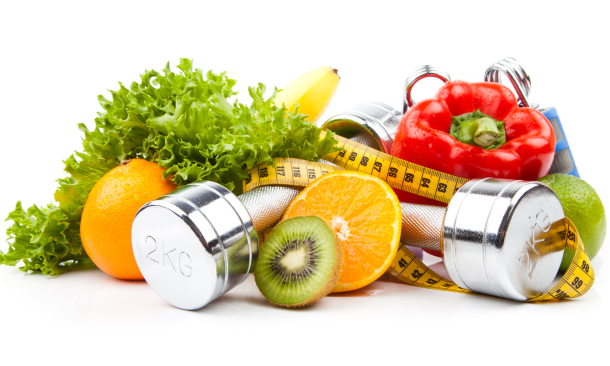
Building strength is not just about lifting weights it is about rebuilding muscle with the right nutrients. Protein plays a vital role here. Lean meats, eggs, dairy, and plant-based options like tofu, legumes, and quinoa provide essential amino acids that repair and grow muscle tissue after exertion and check here https://sunnysweetdays.com/the-science-behind-night-protein-how-it-enhances-your-weight-loss-stack-and-supports-muscle-recovery/. Timing is key consuming protein within an hour after your workout maximizes recovery and muscle synthesis. Additionally, nutrients like magnesium, zinc, and B vitamins support muscle function and help convert food into usable energy, contributing to a stronger, and more resilient body. Recovery is where true growth happens, and your nutrition choices directly influence how quickly and effectively you bounce back after training. Anti-inflammatory foods like berries, leafy greens, turmeric, and omega-3-rich fish reduce muscle soreness and promote healing. Including high-quality protein and a moderate amount of carbohydrates in your post-workout meals can replenish glycogen stores and jump-start tissue repair.
Getting enough rest and quality sleep, supported by magnesium-rich foods such as almonds and spinach, enhances your body’s natural recovery processes and prepares you for your next workout. Supplementation can be a helpful part of your sports nutrition toolkit, provided it complements a solid diet. Creatine can boost power and muscle mass, while branched-chain amino acids BCAAs may reduce muscle soreness and fatigue. Vitamin D and calcium support bone health, particularly important for high-impact sports. Always choose high-quality supplements and consult a healthcare provider to ensure they are right for your goals and needs. In essence, sports nutrition is not about restriction it is about empowerment. When you nourish your body with intention and consistency, you build a strong foundation for peak performance, mental focus, and long-term wellness. Embrace your nutrition toolkit not just as a strategy for improvement, but as a celebration of what your body is capable of achieving. With the right fuel, anything is possible.