 Ben Boss
Mini split air conditioning systems are an excellent solution for those seeking efficient cooling without the complexity and expense of traditional ductwork. These systems are becoming increasingly popular in residential and commercial properties for their ability to cool specific areas or entire rooms with ease, making them a versatile option for various spaces. Unlike conventional HVAC systems that rely on a network of ducts to distribute cooled air, mini splits operate using a direct connection between an indoor unit and an outdoor compressor unit, eliminating the need for ductwork altogether. This setup provides significant advantages, particularly in buildings where installing ductwork would be difficult, costly, or impractical. The main advantage of mini split AC systems is their efficiency. Because they do not rely on ducts to deliver cool air, there is minimal energy loss, which means they can cool a space more effectively and with less energy consumption compared to traditional systems.
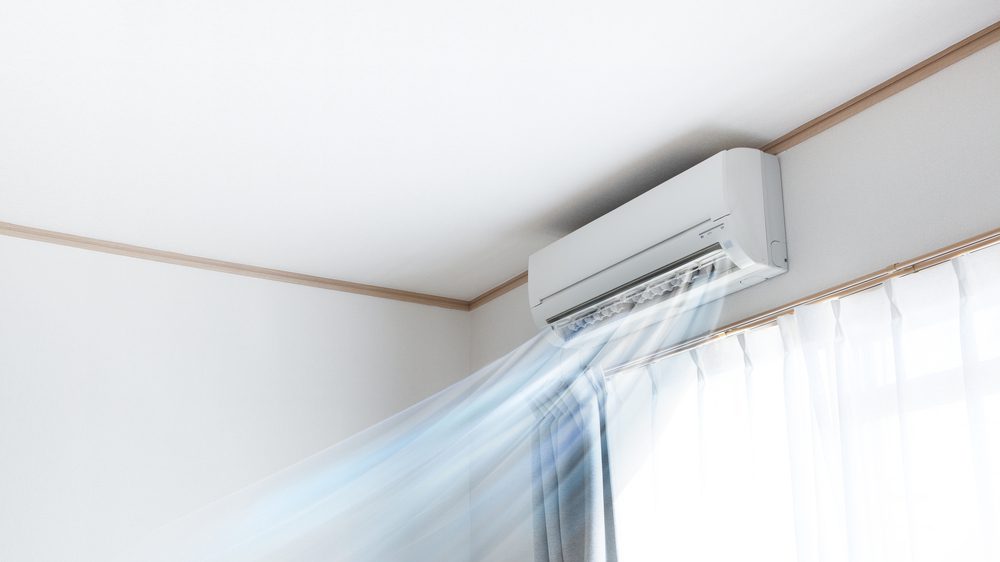
In ducted systems, cooled air can lose a substantial amount of energy due to leaks or poor insulation in the ductwork. Mini splits avoid this problem, ensuring that the energy used to cool the air is more effectively converted into cooling power for the room or space. This efficiency can result in lower energy bills, especially in homes or offices with specific cooling needs. Mini split AC systems also provide precise temperature control. Each indoor unit can be independently controlled, allowing users to adjust the temperature for individual rooms or zones without affecting other areas of the building. This zoned cooling not only enhances comfort by catering to specific needs but also helps to further optimize energy use. For example, if certain rooms are not in use, they can remain at a higher temperature while the air conditioning focuses on areas that are occupied. This feature is particularly valuable for larger homes or buildings with multiple rooms where people may have different temperature preferences.
Installation of mini splits is typically less invasive and more flexible compared to traditional ducted systems. The indoor units are typically wall-mounted or ceiling-mounted, with only a small hole needed in the wall for the refrigerant and power lines to connect the indoor and outdoor units. This means that installation can be completed without major renovations or disruptions to the building’s structure. Whether you are upgrading an existing system or installing one in a new space, the ease of installation is one of the reasons mini splits are so popular for retrofits and new constructions alike. In addition to their cooling capabilities, many mini split ac systems also offer heating functionality, making them year-round climate control solutions. These systems can be equipped with heat pump technology, which allows them to reverse the cooling process and provide heating during colder months. The versatility of both cooling and heating in one compact unit makes mini splits an ideal choice for areas with varying climate conditions.